
Have you ever read a comment online and thought, “Wow… that person would never say that in real life”?
Psychologists call this the Online Disinhibition Effect. It describes how people sometimes act more boldly, more openly, or even more aggressively when they’re communicating online.
You’ve probably seen it before.
Maybe someone leaves a harsh insult under a video.
Maybe a stranger shares very personal details with people they’ve never met.
Or maybe someone starts a heated argument over something small.
In simple terms, the online disinhibition effect means people feel less restrained online, so they say or do things they normally wouldn’t in face-to-face situations.
The idea was introduced by psychologist John Suler in 2004. He noticed that the internet changes how people behave because interacting through a screen feels very different from talking to someone in person.
Think of it like this.
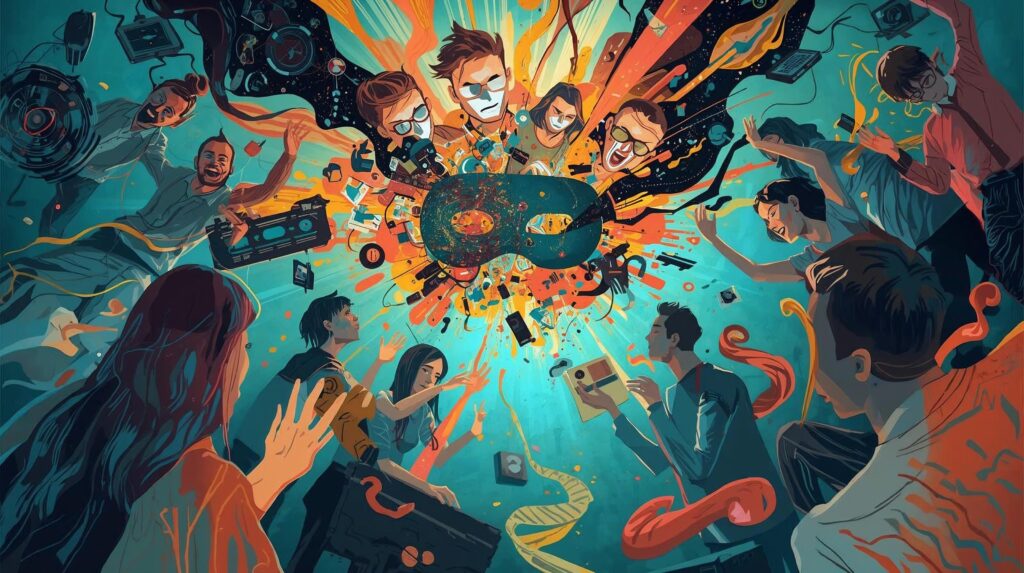
Being online is a bit like wearing an invisible mask. When people feel hidden or distant from others, their usual social filters become weaker.
Why This Happens
Several small things about the internet combine to create this effect.
1. Anonymity
Anonymity means people can hide their identity.
When someone feels that others don’t know who they really are, they often feel safer saying whatever they want.
For example, a person might criticize someone harshly in a comment section but would never say those same words to a coworker or stranger in person.
2. We Can’t See Each Other
Online conversations remove facial expressions and body language.
In real life, if someone looks hurt or uncomfortable, most people soften their tone right away. But online, we can’t see those reactions.
Because of that, it’s easier to forget there’s a real human on the other side.
3. Responses Are Delayed
In face-to-face conversations, responses are immediate.
Online, you can post something and walk away. The reaction might come minutes or hours later.
That distance reduces the pressure people normally feel during conversations.
4. The Screen Creates Distance
Psychologists sometimes call this psychological distance.
Psychological distance simply means something feels less personal or less real.
A screen can create that distance. As a result, people sometimes treat online conversations differently than real ones.
Two Ways This Effect Shows Up
Interestingly, the online disinhibition effect is not always negative.
It can appear in two different ways.
1. Benign Disinhibition (The Positive Side)
Benign simply means harmless or helpful.
Sometimes the internet helps people open up about things they normally keep private.
For example:
- Someone sharing their mental health struggles in an online support group
- A student asking a question they were too shy to ask in class
- People discussing experiences they feel embarrassed about in person
In these cases, the internet creates a safe space for honest conversation.
2. Toxic Disinhibition (The Harmful Side)
This is the side most people notice.
Toxic disinhibition refers to harmful or aggressive behavior online.
Examples include:
- Trolling
- Cyberbullying
- Harsh insults in comment sections
- Threats or extreme arguments online
The same freedom that helps some people open up can also encourage others to behave in ways they normally wouldn’t.
Signs You’re Seeing the Online Disinhibition Effect
You’ve probably seen this effect many times without realizing it.
Common signs include:
- People oversharing very personal information online
- Comment sections becoming aggressive very quickly
- Strangers arguing intensely over small disagreements
- Someone acting far more confident or bold online than in person
Even ordinary people sometimes experience a small version of this.
Typing something online often feels easier than saying the same thing out loud.
Why This Matters
Understanding this effect helps explain many things about internet culture.
It helps us understand why:
- Online arguments escalate quickly
- Comment sections can become hostile
- People sometimes regret posts they made earlier
The internet didn’t change human nature. It simply changed the environment where social interaction happens.
But the most important thing to remember is simple.
Behind every username is still a real person.
And sometimes, a small pause before posting can make a big difference.
References
Suler, J. (2004). The Online Disinhibition Effect. CyberPsychology & Behavior, 7(3), 321–326.
American Psychological Association. Digital communication and behavior research.


Pingback: Why People Stay in Toxic Relationships: The Psychology Behind Staying - Psych Notes & Coffee