There’s a moment that happens to a lot of people—but we don’t always talk about it.
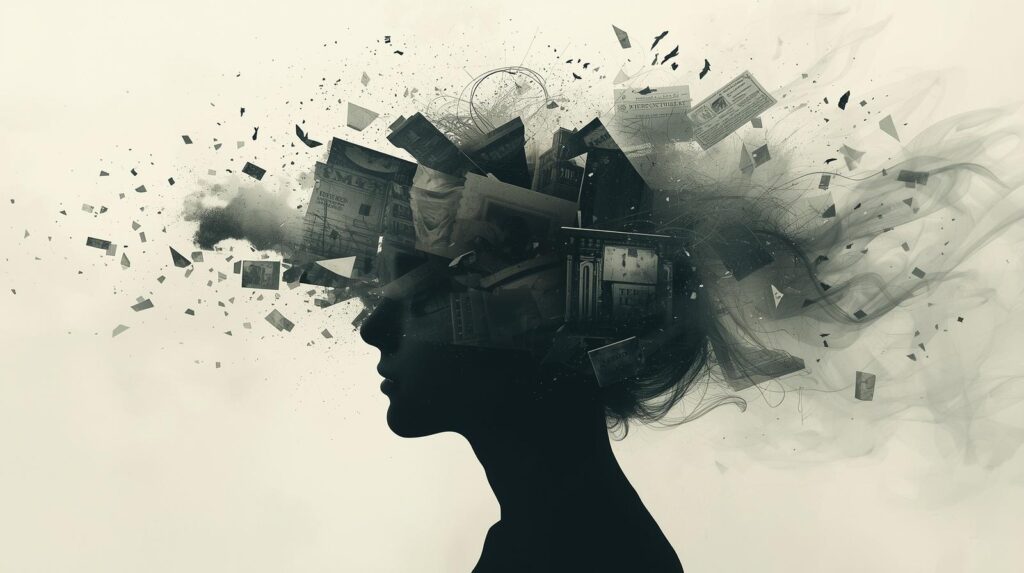
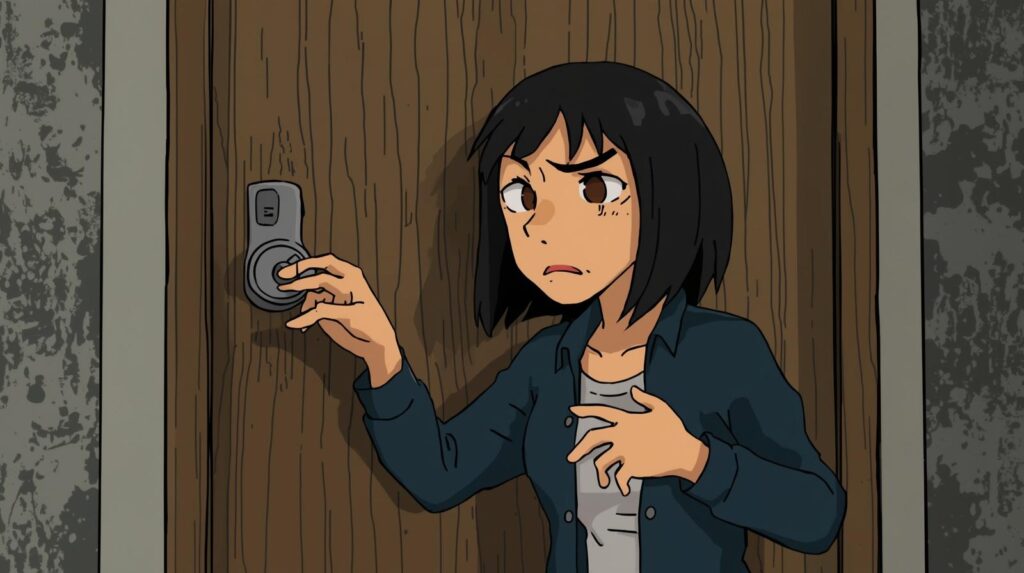
You’re about to enter a room. Maybe it’s a classroom, a meeting, or even just a small gathering. Your hand pauses on the door. Your chest feels tight. Thoughts start racing—What if I say something wrong? What if they notice I’m nervous? What if I embarrass myself?
To someone else, it might look like hesitation.
But inside, it feels like a storm.
That experience, when it goes beyond occasional nerves and starts shaping how you live your life, can be something called Social Anxiety Disorder.
What Social Anxiety Disorder Really Is
According to the DSM-5-TR (Diagnostic and Statistical Manual of Mental Disorders, Fifth Edition, Text Revision), Social Anxiety Disorder is defined as:
A marked fear or anxiety about one or more social situations where a person is exposed to possible scrutiny by others.
In simpler terms, it’s not just being shy or introverted. It’s a persistent fear of being judged, embarrassed, or negatively evaluated in social situations—and that fear is strong enough to interfere with daily life.
This fear doesn’t just stay in your thoughts. It shows up in your body, your behavior, and the choices you make.
What It Feels Like (Beyond the Stereotypes)
People often think social anxiety is just “being quiet” or “not liking crowds.”
But it’s much deeper than that.
It can feel like:
- Your mind is constantly scanning for mistakes you might make
- Your body reacting as if you’re in danger—even when you’re safe
- Replaying conversations over and over after they’ve ended
- Wanting connection, but feeling blocked from it
It’s not that you don’t want to socialize.
Sometimes, it’s that you want to—but the fear feels louder than the desire.
How It Shows Up in Real Life
Social anxiety doesn’t always look obvious. It can quietly shape everyday situations.
Someone might:
- Avoid speaking in class, even when they know the answer
- Overthink sending a simple message or email
- Feel intense anxiety before meetings or presentations
- Avoid eye contact, not out of disrespect, but fear
- Decline invitations, then feel lonely afterward
Even small interactions—like ordering food, making a phone call, or introducing yourself—can feel overwhelming.
And the hardest part?
People often assume it’s just personality.

Why Does This Happen?
Social Anxiety Disorder doesn’t come from one single cause. It’s usually a mix of different factors working together.
Some people grow up in environments where they were criticized a lot or made to feel self-conscious. Others may have had embarrassing or painful social experiences that stayed with them.
There’s also a biological side—some brains are simply more sensitive to perceived threats, especially social ones. The brain’s “alarm system” becomes overactive, even when there’s no real danger.
Over time, avoidance becomes a coping strategy.
If something feels scary, you avoid it.
If you avoid it, you feel relief.
That relief teaches your brain: “Good, keep avoiding.”
And the cycle continues.
The Patterns That Keep It Going
One of the quiet patterns in social anxiety is anticipation.
The anxiety often starts long before the actual situation:
- Thinking about what could go wrong
- Imagining worst-case scenarios
- Doubting your ability to handle it
Then during the situation, there’s hyper-awareness:
- Monitoring your voice, your posture, your words
- Trying to “perform correctly”
And afterward, there’s reflection—often harsh:
- “Why did I say that?”
- “They probably think I’m awkward.”
It becomes a loop: anticipate → experience → overanalyze → reinforce fear.
Signs People Often Overlook
Not all signs of social anxiety are obvious. Some are quiet and easily misunderstood.
For example:
- Being seen as “too quiet” or “reserved”
- Over-preparing for simple interactions
- Avoiding opportunities that involve visibility (presentations, leadership roles)
- Feeling exhausted after socializing, not because you don’t like people, but because you were anxious the whole time
- Smiling or laughing to hide discomfort
These are often labeled as personality traits, but sometimes, they’re signs of something deeper.
Why It Matters in Everyday Life
Social anxiety doesn’t just stay in social situations—it can affect many parts of life.
It can influence:
- Career growth (avoiding promotions or speaking opportunities)
- Relationships (difficulty opening up or maintaining connections)
- Self-esteem (constant self-doubt and comparison)
Over time, it can create a gap between the life you want and the life you feel able to live.
And that gap can feel frustrating.
Can It Get Better?
Yes—but not in the way quick-fix advice often suggests.
Improvement with social anxiety is usually gradual. It’s less about “becoming confident overnight” and more about learning to tolerate discomfort without letting it control you.
Some people benefit from therapy, especially approaches like cognitive-behavioral therapy (CBT), which helps challenge unhelpful thought patterns and slowly face feared situations.
Others start with small steps:
- Saying one sentence instead of staying silent
- Making brief eye contact
- Staying in a situation a little longer than usual
These may seem small from the outside, but internally, they can be huge.
Progress often looks like:
Not the absence of anxiety,
but the ability to move forward with it.
A Quiet Reflection
If social situations feel heavier for you than they seem for others, it doesn’t mean something is wrong with who you are.
Sometimes, it just means your mind learned to protect you a little too well.
And maybe, slowly, gently, it can learn that not every room is something to be afraid of.
📚 References
- American Psychiatric Association. (2022). Diagnostic and Statistical Manual of Mental Disorders (5th ed., text rev.; DSM-5-TR).
- National Institute of Mental Health (NIMH). Social Anxiety Disorder
- Mayo Clinic. Social Anxiety Disorder (Social Phobia)
- Hofmann, S. G., & Otto, M. W. (2017). Cognitive Behavioral Therapy for Social Anxiety Disorder
- Clark, D. M., & Wells, A. (1995). A cognitive model of social phobia
If you enjoyed this topic, you might also like:
- It’s Not Just a Bad Day: What Major Depression Really Feels Like
- Acute Stress Disorder: When the Mind Is Still in Survival Mode
- Why Our Brain Loves Drama and Gossip
More psychology articles are also available on my website.