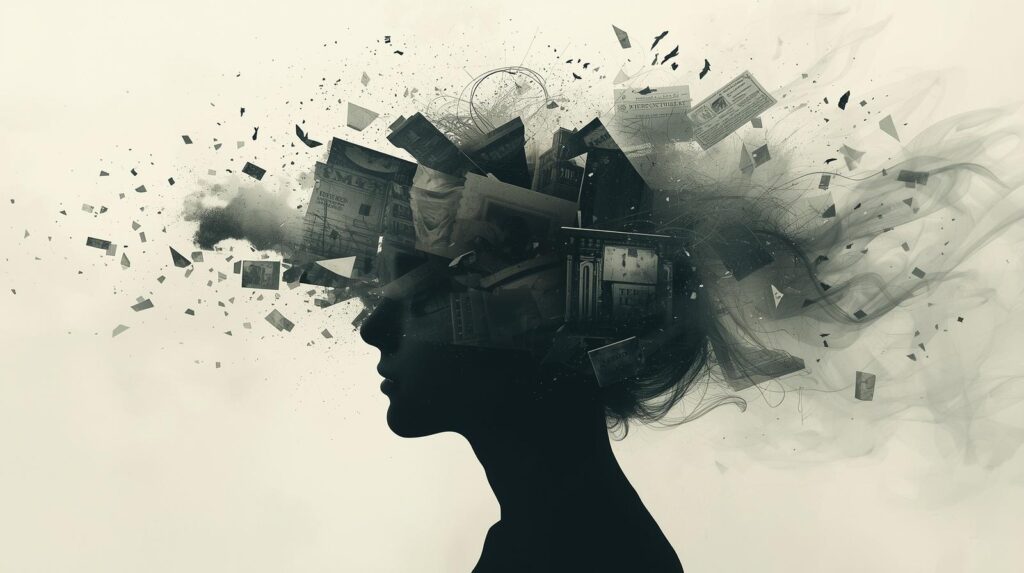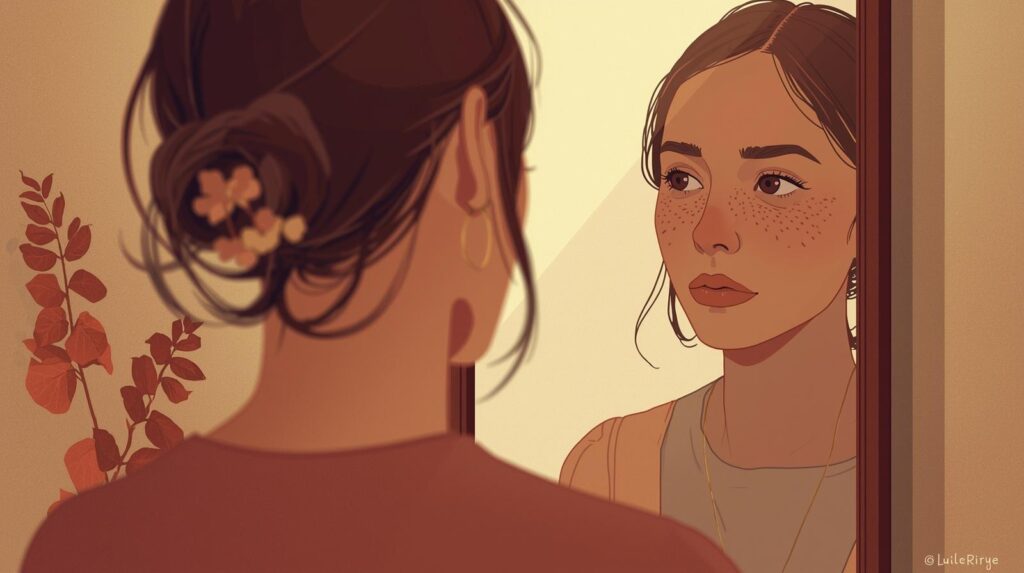
Have you ever looked at an old photo of yourself and felt like you were staring at a stranger?
Not just because of how you looked—but because of how you were. The way you thought. The things you tolerated. The dreams you had back then that don’t quite fit anymore.
It can feel unsettling. Sometimes even a little sad.
But here’s the quiet truth: change isn’t a sign that something is wrong. It’s often a sign that something is working.
What Do We Really Mean When We Say People Change?
In psychology, there isn’t a single definition in the DSM-5-TR that says “people change,” but it does describe personality as something that is relatively stable but still capable of gradual development over time.
In simpler terms:
You have a core sense of who you are—but life keeps shaping it.
Your personality isn’t frozen. It bends, stretches, and adapts as you move through different experiences, relationships, and challenges.
What Change Actually Feels Like (Beyond the Clichés)
We often imagine change as something dramatic. A big transformation. A clear “before and after.”
But in real life, it’s usually much quieter than that.
Change can feel like:
- Not reacting the way you used to, and not knowing why
- Losing interest in things that once mattered to you
- Feeling out of place in spaces that used to feel like home
- Wanting different things, even if you can’t fully explain them yet
It’s not always exciting. Sometimes it feels like confusion. Sometimes like grief.
Because when you change, you don’t just gain something new—you also leave something behind.
How It Shows Up in Everyday Life
You might notice it in small, almost invisible ways.
A person who used to avoid conflict suddenly starts speaking up.
Someone who once needed constant validation becomes more comfortable being alone.
A friend who loved going out every weekend now prefers quiet evenings.
Even your values can shift.
What once felt important—status, approval, fitting in—might slowly be replaced by things like peace, boundaries, or authenticity.
And sometimes, the hardest part is realizing that not everyone grows in the same direction at the same time.
Why Do People Change?
Change doesn’t happen randomly. It’s usually the result of several forces working together over time.
Life experiences shape us.
Loss, success, failure, love, rejection—these experiences leave emotional “imprints” that influence how we think and behave moving forward.
Our brain continues to develop.
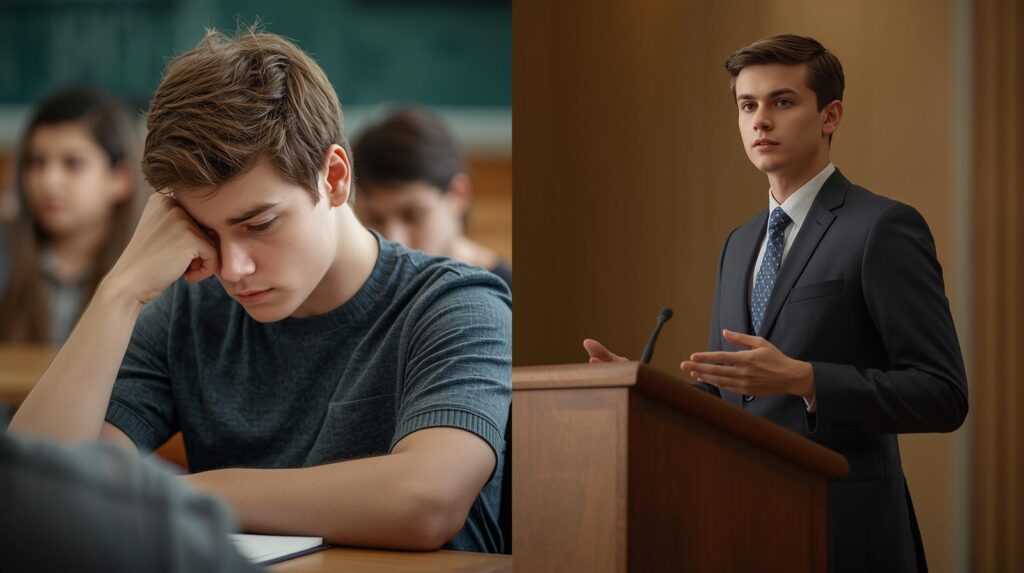
Especially in early adulthood, the brain areas responsible for decision-making and emotional regulation are still maturing. That’s why the person you are at 18 can feel very different from who you are at 25.
We adapt to survive.
Sometimes, change is a response to pain. You learn new ways of coping, protecting yourself, or navigating the world.
Relationships influence us.
The people we spend time with can reshape our beliefs, habits, and even our identity.
Self-awareness grows over time.
As you reflect more, you begin to question old patterns and choose differently.
Change, in many ways, is a combination of learning and unlearning.
The Changes People Often Don’t Notice
Not all change is loud or obvious. Some of the most meaningful shifts are the quiet ones.
You might not notice that:
- You’re setting boundaries more naturally
- You’re less reactive to things that once triggered you
- You’re choosing peace over proving a point
- You’re becoming more selective about who you let into your life
These changes don’t always get celebrated. But they matter.
They show growth that isn’t performative—it’s internal.
Why It Matters in Everyday Life
Understanding that people change can soften how we see ourselves and others.
It helps you stop asking,
“Why am I not the same anymore?”
and start asking,
“What have I learned that made me this way?”
It also helps in relationships.
Sometimes, people don’t drift apart because anyone did something wrong. They simply grew in different directions.
And recognizing that can turn resentment into understanding.
Can People Change on Purpose?
Yes—but it’s rarely instant or linear.
Real change takes time, awareness, and repetition.
It often looks like:
- Catching yourself in an old pattern
- Trying a different response (even if it feels uncomfortable)
- Slipping back sometimes
- Trying again anyway
It’s not about becoming a completely different person overnight.
It’s about slowly becoming more aligned with who you truly are.
A Gentle Truth About Change
Not all change will make sense right away.
There will be moments when you miss your old self. When you question if you’re losing something important.
But growth often feels like that.
Because you’re stepping into unfamiliar parts of yourself.
And maybe that’s the quiet beauty of it—
You are not meant to stay the same person forever.
You are meant to evolve, even if it feels uncomfortable, even if it feels slow.
Because in the end, change isn’t about becoming someone else.
It’s about becoming more of who you were meant to be all along.
📚 References
- American Psychiatric Association. (2022). Diagnostic and Statistical Manual of Mental Disorders (DSM-5-TR)
- Roberts, B. W., & Mroczek, D. (2008). Personality Trait Change in Adulthood
- McAdams, D. P. (2013). The Psychological Self as Actor, Agent, and Author
- Erikson, E. H. (1950). Childhood and Society
- Caspi, A., Roberts, B. W., & Shiner, R. L. (2005). Personality Development
If you enjoyed this topic, you might also like:
- It’s Not Just a Bad Day: What Major Depression Really Feels Like
- Acute Stress Disorder: When the Mind Is Still in Survival Mode
- The Hidden Reality of Obstructive Sleep Apnea
More psychology articles are also available on my website.