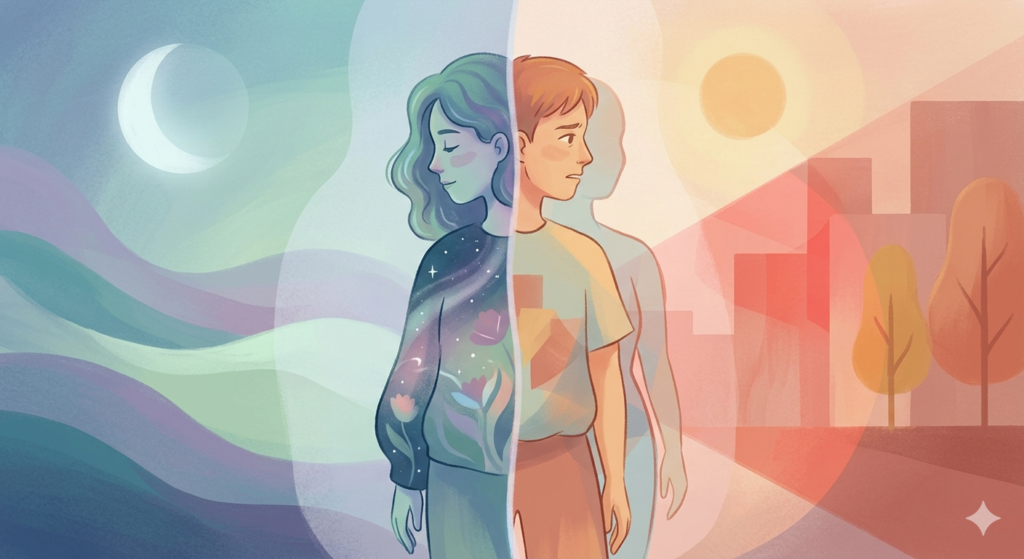
Imagine waking up, looking in the mirror, and feeling a quiet discomfort you can’t fully explain.
Nothing is “wrong” on the outside. Everything looks the way people expect it to. But inside, something feels… off. Not dramatically. Not loudly. Just enough to make you pause.
You go through your day like everyone else. School, work, conversations. You laugh at jokes. You respond when people call your name. But there’s this subtle feeling that you’re playing a role you didn’t choose.
It’s not always intense. Sometimes it’s just a passing thought. Other times, it lingers longer than you want it to.
And the hardest part? You might not even have the words for it yet.
You’re Not Alone
If this feeling sounds familiar, you’re not the only one who has experienced it.
Many people, at different points in their lives, question their identity in some way. For some, it’s brief and passes. For others, it stays and becomes something deeper that needs attention and understanding.
Gender dysphoria, in particular, is not about “confusion” in a simple sense. It’s about a real emotional discomfort that comes from a mismatch between how someone experiences their gender internally and how their body or society reflects it back to them.
And it doesn’t always look the way people expect.
Some people recognize it early in childhood. Others only begin to notice it in their teenage years or even adulthood. There is no single timeline, and there is no “correct” way to feel it.
How the Experience Comes Together
Gender dysphoria doesn’t show up the same way for everyone. But there are a few patterns that people often relate to.
One common experience is body discomfort. This can mean feeling uneasy about physical features like one’s voice, chest, or body shape. It’s not about vanity—it’s about a deeper sense that something doesn’t align with who you are.
Another pattern is social discomfort. This shows up in everyday interactions. Being addressed with certain pronouns, being grouped in a certain way, or even being expected to behave according to a specific gender role can feel uncomfortable or even distressing.
Then there’s identity questioning. Some people spend a lot of time wondering, “Why do I feel this way?” or “What does this mean about me?” It can feel like trying to solve a puzzle where the pieces don’t quite fit yet.
These experiences can overlap. They can come and go. And they can change over time.
Breaking It Down Gently
In clinical terms, the DSM-5-TR describes gender dysphoria as a marked distress that comes from a mismatch between one’s experienced gender and assigned gender at birth.
That sounds formal, but in simple words, it means this:
It’s the emotional discomfort someone feels when their inner sense of who they are doesn’t match how their body or the world sees them.
The key word here is distress. Not everyone who explores gender identity experiences dysphoria. But when that discomfort becomes persistent or affects daily life, that’s when it becomes important to understand it more deeply.
What It Actually Feels Like (Beyond Stereotypes)
A lot of people assume gender dysphoria is always intense or obvious. But often, it’s quieter than that.
It can feel like a constant background noise—something you learn to ignore, but it never fully goes away.
You might feel disconnected when you hear your own name. Or uncomfortable in clothes that others expect you to wear. You might avoid photos, mirrors, or certain social situations without fully knowing why.
Sometimes it shows up as irritability. Or sadness that doesn’t seem to have a clear cause.
Other times, it’s a sense of relief—those moments when something finally feels right. Like being called by a different name, or expressing yourself in a way that feels more natural.
That contrast—between discomfort and relief—can be one of the clearest signs.

Let’s Understand the Psychology Behind It
At its core, gender dysphoria is about identity and alignment.
Think of identity as your internal “map” of who you are. This includes your personality, values, and also your sense of gender.
Now imagine if the outside world kept reflecting back something that doesn’t match your internal map. Over time, that mismatch creates tension.
In psychology, this kind of tension is sometimes called incongruence—when two parts of your experience don’t line up.
For example, a student might feel pressured to act a certain way in school because of gender expectations, even if it doesn’t feel authentic. Or in relationships, someone might feel misunderstood because others are interacting with them based on assumptions that don’t fit.
The mind naturally seeks consistency. So when there’s a gap between internal identity and external reality, it can create emotional strain.
The Reasons Behind It
There isn’t just one cause of gender dysphoria.
Research suggests it can come from a mix of biological, psychological, and social factors. Some people may have a natural sense of gender identity that develops differently from their assigned gender.
Environment also plays a role. Growing up in spaces with strict gender expectations can make that mismatch feel more intense or harder to express.
Then there’s the emotional side. When feelings are not understood or validated, they can become more confusing or overwhelming.
It’s important to say this clearly: gender dysphoria is not caused by “doing something wrong.” It’s not a failure. It’s an experience that deserves understanding, not judgment.
Signs You Might Miss
Sometimes, gender dysphoria hides in subtle ways.
It can look like avoiding certain clothes without knowing why. Feeling oddly uncomfortable during gendered events. Or feeling disconnected when people refer to you in a certain way.
Some people dismiss it as “just a phase” or “just overthinking.” But when the feeling keeps coming back, it’s worth paying attention to.
Another overlooked sign is relief. Feeling unexpectedly happy or calm when expressing a different gender identity can be just as important as noticing discomfort.
How It Shows Up in Real Life
In daily life, gender dysphoria can affect small, ordinary moments.
Getting dressed in the morning might feel stressful. Social gatherings might feel draining. Even something as simple as introducing yourself can feel complicated.
At school or work, it might show up as difficulty focusing—not because you’re not capable, but because part of your mental energy is constantly managing discomfort.
In relationships, it can create distance. Not because you don’t care, but because you don’t feel fully seen.
Why You Should Care
Ignoring gender dysphoria doesn’t make it disappear.
Over time, that ongoing discomfort can affect self-esteem, mood, and overall well-being. It can lead to anxiety, frustration, or a sense of disconnection from yourself and others.
But understanding it—naming it—can change everything.
Because once something has a name, it becomes something you can explore, process, and respond to.
Gentle Steps to Move Forward
There’s no one “right” path, but there are small, meaningful ways to start.
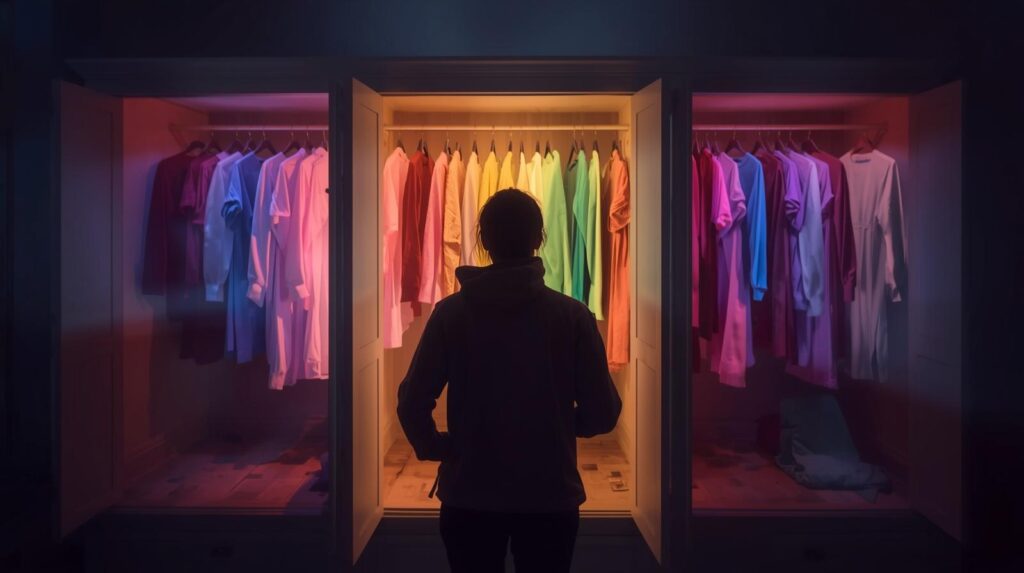
You might begin with self-awareness. Noticing what feels uncomfortable and what feels right, without judging it.
Then comes safe exploration. This could mean trying different forms of expression in private or with trusted people.
Journaling can help too. Writing down your thoughts makes patterns clearer over time.
And perhaps most importantly, finding supportive spaces—whether that’s a friend, a community, or even online groups where you feel less alone.
If This Is You…
If you’re quietly questioning, unsure of what your feelings mean—start with curiosity, not pressure. You don’t have to figure everything out right away.
If you feel strong discomfort that’s affecting your daily life, it might help to talk to someone who understands, like a mental health professional.
If you’ve already started exploring your identity, give yourself permission to move at your own pace. There’s no deadline for self-understanding.
When to Seek Help
If the discomfort feels overwhelming, persistent, or starts affecting your mental health, reaching out can make a difference.
A therapist—especially one familiar with gender identity—can help you process your feelings in a safe, non-judgmental space.
Seeking help isn’t about “fixing” you. It’s about understanding yourself better.
Simple 5-Day Gentle Plan
Sometimes, finding your way back to yourself doesn’t require big changes—just a few quiet moments of attention each day. This simple 5-day gentle plan is designed to help you reconnect, reflect, and explore what truly feels right for you, one small step at a time.
Day 1: Notice moments of discomfort and comfort
Day 2: Write about what “feeling like yourself” means
Day 3: Explore one small form of self-expression
Day 4: Learn from a trusted resource or story
Day 5: Reflect—what felt right? what didn’t?
Parting Reflections
Gender dysphoria is not just about identity—it’s about the emotional experience of feeling misaligned. And that feeling, no matter how quiet or strong, is valid.
Sometimes, the hardest part isn’t the feeling itself—it’s not knowing what to do with it. But what if you didn’t rush to define it? What if you just started by listening?
Understanding it doesn’t mean you have all the answers. It just means you’re beginning to hear yourself more honestly. What feels most like you—even in the smallest way?
That’s where change begins.
References
- American Psychiatric Association. (2022). DSM-5-TR
- World Health Organization. (2019). ICD-11 Gender Incongruence
- American Psychological Association (APA) – Gender Identity Resources
If you enjoyed this topic, you might also like:
- The Devastating Reality of Prolonged Grief Disorder
- Exhibitionist Disorder Secrets: What’s Really Driving the Behavior
- “I Know I’m Right”… Or Am I? The Psychology Behind Believing What We Want
More psychology articles are also available on my website.
If you prefer reading on Medium, this article is also available there.