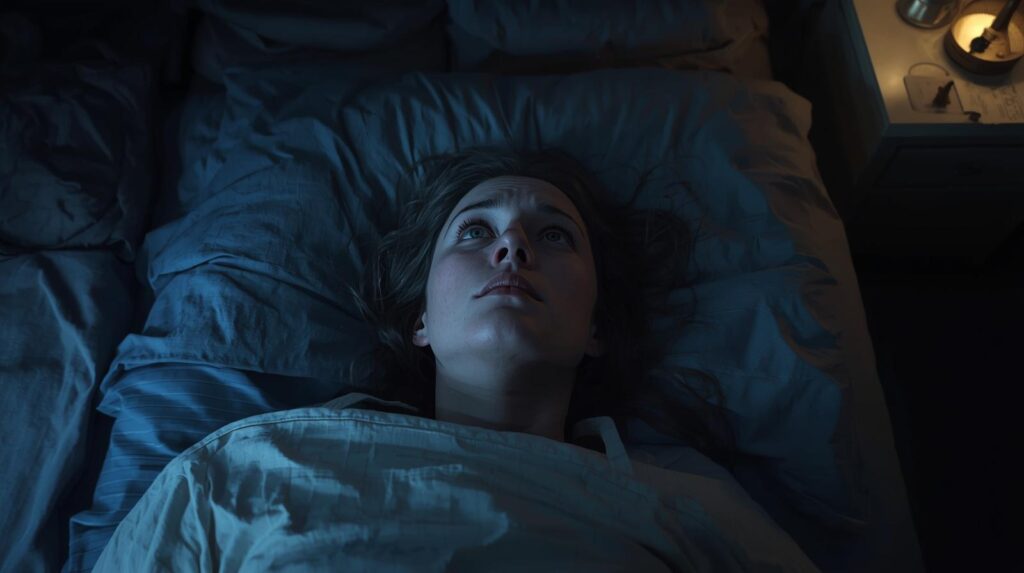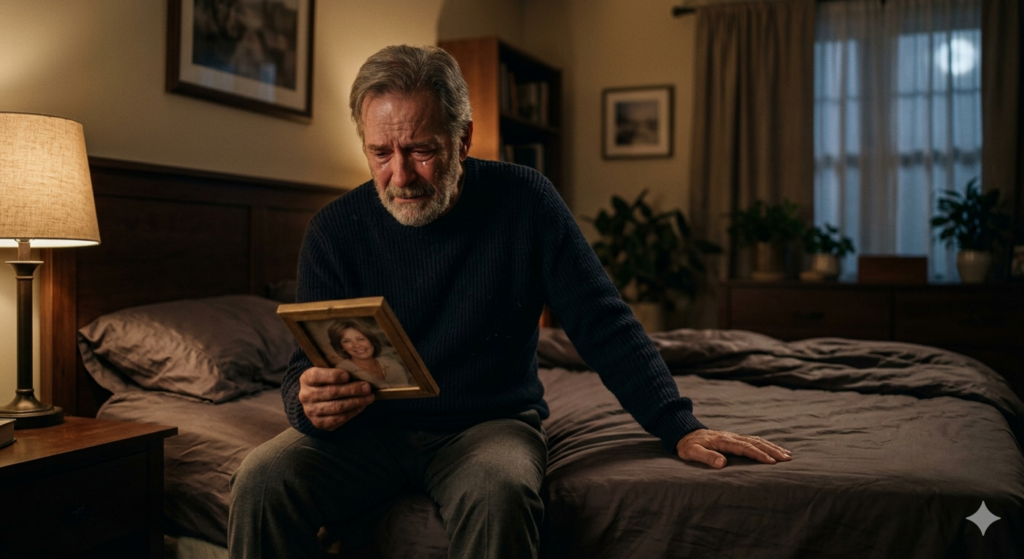
There’s a kind of silence that follows loss.
Not the peaceful kind. Not the quiet that helps you rest. But a heavy, lingering silence—the kind that sits with you at the dinner table, follows you into your room, and shows up in moments that used to feel normal.
You might notice it when you reach for your phone to message someone who is no longer there. Or when something good happens and your first instinct is to share it… only to remember you can’t.
At first, people understand. They give you space. They check in. They say things like, “Take your time.” And you do. You try.
But as months turn into a year, and then more, something begins to shift—not just around you, but inside you.
You start to wonder: Why does this still feel so raw? Why does it feel like time isn’t moving for me the way it is for everyone else?
That’s where something called Prolonged Grief Disorder begins to come into the picture.
What is Prolonged Grief Disorder, really?
Prolonged Grief Disorder is a condition recognized in the DSM-5-TR (a manual used by mental health professionals). In simple terms, it describes grief that stays intense, consuming, and deeply painful for a long time—typically beyond a year for adults—and begins to interfere with daily life.
But this isn’t about “grieving too much” or “not moving on fast enough.”
It’s about being emotionally stuck in the loss.
People with prolonged grief often feel a persistent longing or yearning for the person who died. It’s not just missing them—it’s feeling like part of your life, your identity, or your sense of meaning disappeared with them.
And that feeling doesn’t ease with time in the way people expect it to.
What it actually feels like
Grief, in general, comes in waves. Some days are heavy, some are lighter. You slowly find moments where you can breathe again.
But prolonged grief feels different.
It can feel like the wave never pulls back.
You might wake up each day with the same ache, as if the loss just happened yesterday. Memories don’t feel comforting—they feel sharp, almost unbearable. Instead of softening, the absence feels louder.
There’s often a deep sense of emptiness. Not just sadness, but a kind of hollowness that’s hard to explain. Like something essential is missing from the world, and nothing quite fits anymore.
You might also notice:
- A constant longing or yearning that doesn’t ease
- Feeling emotionally numb or disconnected from others
- Difficulty imagining a future that feels meaningful
- A sense that life has lost its purpose
It’s not just emotional pain. It can feel like your entire world has quietly stopped.
How it shows up in real life
Prolonged grief doesn’t always look dramatic. Sometimes, it hides in everyday routines.
It might look like someone who keeps going through the motions—working, eating, responding to messages—but feels completely detached from it all.
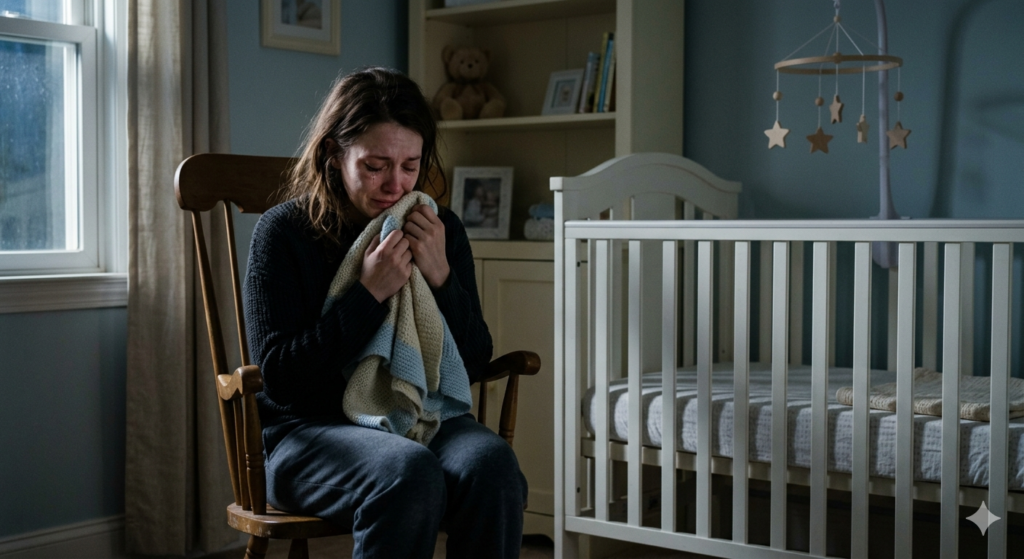
It might be the person who avoids certain places because the memories are too overwhelming. Or the person who clings tightly to reminders—photos, messages, belongings—because letting go feels like losing the person all over again.
Sometimes it shows up in relationships. You may struggle to connect with others, not because you don’t want to, but because it feels like no one truly understands what you’ve lost.
Or you might pull away entirely, feeling like you don’t belong in the same world anymore.
Even moments that should feel happy can feel complicated. There’s often guilt—How can I enjoy this when they’re gone?—or a quiet sadness that lingers in the background of every good moment.
Why does this happen?
There isn’t just one reason.
Sometimes, the loss itself is sudden or traumatic. There was no time to prepare, no chance to say goodbye. The mind keeps trying to make sense of something that feels impossible.
Other times, the relationship was deeply intertwined with your identity. Maybe that person was your main source of emotional support, your daily companion, or someone who shaped your sense of purpose.
When they’re gone, it’s not just about missing them—it’s about not knowing who you are or how to exist without them.
There can also be patterns underneath it. People who have experienced earlier losses, unresolved trauma, or difficulty processing emotions may find grief harder to move through.
And sometimes, it’s simply love.
The deeper the connection, the harder it can be to adjust to a world where that connection is no longer physically present.
Signs people often overlook
Prolonged grief doesn’t always look like constant crying or obvious sadness. In fact, some of its most telling signs are quiet.
People might not realize that things like:
- Feeling emotionally numb instead of sad
- Avoiding reminders of the person (or the opposite—being unable to let go of them)
- Losing interest in life, goals, or relationships
- Feeling stuck in the past, as if time hasn’t moved forward
- A persistent sense that life no longer has meaning
…can all be part of prolonged grief.
Because these experiences can look like depression or burnout, they’re often misunderstood—even by the person going through them.
Why this matters in everyday life
Grief is a natural human experience. It’s not something that needs to be “fixed.”
But when grief becomes prolonged and overwhelming, it can quietly shape the way someone lives.
It can affect relationships, work, health, and even the ability to experience small moments of joy or connection.
More importantly, it can make people feel alone in something that is actually deeply human.
Understanding prolonged grief matters because it helps us respond with more compassion—toward others, and toward ourselves.
It reminds us that healing isn’t about forgetting or replacing what was lost. It’s about slowly finding a way to carry that loss without it carrying you.
Is recovery possible?
Yes—but not in the way people often expect.
Recovery from prolonged grief isn’t about “moving on” or reaching a point where the loss no longer matters.
It’s about gradually creating space for life to exist alongside the grief.
That might mean allowing yourself to feel the pain without trying to rush it away. It might involve talking to someone who understands, like a therapist, especially if the grief feels overwhelming or unchanging.
It can also mean slowly reconnecting—with people, with routines, with small moments of meaning.
There’s no timeline. No checklist.
Just small, quiet steps.
And sometimes, that’s enough.
A quiet reflection
Grief doesn’t follow rules.
It doesn’t care about timelines or expectations. It simply reflects the depth of what was lost.
If you’ve ever felt like your grief is “taking too long” or that you should be somewhere else by now, it might help to remember this:
Some losses don’t fade. They change you.
And maybe healing isn’t about becoming who you were before—
but learning how to live, gently and slowly, as someone new.
References
- American Psychiatric Association. (2022). Diagnostic and Statistical Manual of Mental Disorders (DSM-5-TR)
- Shear, M. K. (2015). Complicated grief. New England Journal of Medicine
- Prigerson, H. G., et al. (2021). Prolonged Grief Disorder: Psychometric validation of criteria proposed for DSM-5-TR
- World Health Organization (WHO). (2019). ICD-11 Prolonged Grief Disorder
- Mayo Clinic. Prolonged grief disorder overview
Are you a student or simply curious? Feel free to check out my Facebook post on Prolonged Grief Disorder—it’s different from the blog version, as it’s designed specifically for students who want to take notes.
If you enjoyed this topic, you might also like:
- It’s Not Just a Bad Day: What Major Depression Really Feels Like
- People Change More Than You Think—Here’s the Powerful Reason Why
- The Hidden Science of Secondhand Embarrassment
More psychology articles are also available on my website.